How to Choose the Best Cosmetic Packaging Machine

Time:2026-09-11 Author:Amelia
0%

Choosing the right Cosmetic Packaging Machine is no longer only a question of speed. It is a decision about product protection, filling accuracy, changeover time, and future sustainability.

The global cosmetics packaging market continues to expand. Grand View Research valued it at approximately USD 32 billion in 2023 and expects steady growth through 2030. Smithers also identifies lightweight materials, recyclable formats, and automated production as major packaging trends. These findings matter on the factory floor. A machine handling glass jars may need gentle indexing, servo-controlled filling, and precise torque settings. A tube line may require different sealing temperatures and inspection systems. The details are practical.

“Flexibility and efficiency are essential for today’s packaging operations,” says Tom Egan, Vice President of Industry Services at PMMI, the Association for Packaging and Processing Technologies. His observation reflects a central purchasing reality: a fast machine is not automatically a good machine. It must also support reliable cleaning, stable output, operator safety, and consistent cosmetic quality.

There is no perfect specification.

Manufacturers should compare machine speed with actual production demand, not impressive brochure figures. PMMI’s packaging machinery research shows that automation investment increasingly responds to labor shortages, quality demands, and operational consistency. Still, the decision can remain imperfect. A compact machine may save floor space but limit future expansion. A highly automated line may reduce labor but require stronger technical support. This guide examines those trade-offs, helping buyers assess machine compatibility, maintenance access, material flexibility, and total cost before signing a purchase order.
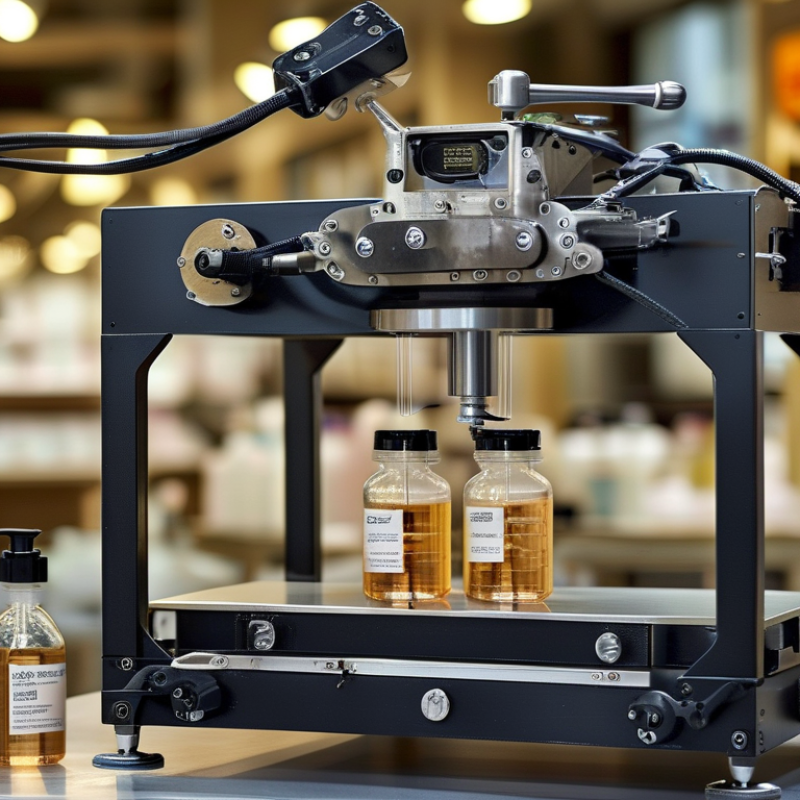
How to Choose the Best Cosmetic Packaging Machine

Define Cosmetic Packaging Requirements and Product Characteristics

Before choosing a cosmetic packaging machine, define the product precisely. A water-thin toner needs different dosing equipment than a dense balm. Record viscosity, temperature sensitivity, foaming behavior, particle size, and fill volume. Also measure container necks, closure torque, label area, and material flexibility. Small differences matter.

Grand View Research valued the global cosmetic packaging market at approximately USD 32.48 billion in 2023. It also forecasts continued growth through 2030. This expansion increases pressure on manufacturers to package more formats efficiently. A machine should therefore handle the current container, plus realistic future variations. Do not buy capacity you cannot validate.

Product characteristics must guide line specifications. For creams, test piston or servo-driven filling accuracy across several temperatures. For liquids, inspect drip control and foam suppression. For fragile glass, evaluate conveyor handling and reject systems. ISO 22716 emphasizes controlled cosmetic manufacturing practices, including hygiene and process documentation. The machine should support cleanable surfaces, traceable settings, and repeatable changeovers.

Test the difficult product.

A spreadsheet may still mislead. Pilot trials should use real containers, actual closures, and production-speed samples. Check fill-weight variation, seal integrity, cleaning time, and operator access. According to PMMI industry guidance, automation decisions should consider labor, flexibility, uptime, and total cost, not speed alone. A faster machine that damages containers or creates waste is not efficient. Allow room for revision; early assumptions are often wrong.

Compare Machine Types for Different Cosmetic Packaging Formats

Choosing a cosmetic packaging machine starts with the format, not the machine catalog. Grand View Research valued the global cosmetic packaging market at about USD 32.7 billion in 2023. Its forecast also shows continued growth through 2030. That growth favors flexible equipment, especially for companies handling several product textures and container sizes.

For creams, lotions, and gels, piston fillers provide accurate dosing and handle higher viscosities well. Servo control improves repeatability during small batch production. Jars usually need a filling machine, capper, and torque control system. Tubes require different equipment, including tube loading, filling, sealing, and coding units. Airless bottles demand careful vacuum control. They are less forgiving.

Liquid foundations and serums often suit inline or rotary filling systems. Rotary machines offer higher output, while inline models usually provide easier access and simpler changeovers. Sachets need form-fill-seal equipment, which can reduce material waste but requires precise film tracking. PMMI industry reports repeatedly identify faster changeovers and format flexibility as major packaging priorities. That matters when one line must switch from a 30 ml serum to a 200 ml lotion.

The details decide performance. Check nozzle design, cleaning time, container tolerance, and seal inspection. I have seen impressive speed claims fail during real product changeovers. Faster is not always better. A lower-speed machine with tool-free adjustments may deliver more usable hours. Smithers’ sustainable packaging research also highlights rising pressure to reduce material use. Therefore, select equipment that supports lightweight containers without damaging seals or appearance. Test the actual formula before signing off. erotikkores.net

Evaluate Speed, Accuracy, Materials, and Production Capacity

How to Choose the Best Cosmetic Packaging Machine

Speed matters, but the fastest machine may not deliver the best output. Measure usable production speed during real filling, capping, labeling, and inspection. Ask for a trial using your actual formula and container. A machine rated at 120 units per minute may produce only 85 after adjustments and stoppages.

Accuracy protects both product quality and operating costs. Check filling tolerance, cap placement, label position, and reject performance. For creams, oils, and serums, viscosity can change with temperature. The machine should maintain consistent dosing across a full shift. Request recorded test data, not only brochure figures. Small errors become expensive during large batches.

Material compatibility needs careful inspection. Glass containers require controlled handling and soft contact points. PET may deform under excessive pressure. Aluminum packaging can show scratches easily. Confirm that pumps, seals, hoses, and nozzles resist the formula’s ingredients. Production capacity also depends on changeover time, operator skill, cleaning, and maintenance access. Calculate hourly output after these interruptions. I have seen teams choose high-speed equipment, then lose capacity through long format changes. That decision looked efficient on paper. It was not. Leave room for future products, but avoid paying for capacity that your facility cannot support. A practical trial often reveals more than a polished specification sheet.

How to Choose the Best Cosmetic Packaging Machine

Compare typical throughput, filling accuracy, and production capacity before selecting equipment for your cosmetic products.

The chart uses representative industry ranges for common machine configurations. Actual performance depends on product viscosity, container size, filling volume, operator skill, and line configuration.

Speed

Choose higher throughput when demand is stable and product changeovers are limited.

Accuracy

Servo-controlled dosing is generally preferred for premium creams, serums, and other high-value products.

Materials

Confirm compatibility with glass, PET, HDPE, PP, aluminum, laminate tubes, and the chemical properties of the formula.

Check Automation, Flexibility, Hygiene, and Regulatory Compliance

Choosing the best cosmetic packaging machine starts with matching automation to your actual production needs. A servo-driven filler can improve dose accuracy and reduce repetitive manual work. However, excessive automation may create difficult maintenance tasks for a small team. Ask how quickly operators can adjust filling volume, speed, and container size. The control panel should be clear, even during a busy shift. A short demonstration is useful. A sales brochure is not enough.

Flexibility becomes important when products change frequently. The machine should handle different bottles, jars, pumps, and viscosities with limited tooling changes. Check changeover time using real containers, not samples chosen only for convenience.

Hygiene requires smooth stainless-steel surfaces, accessible product-contact parts, and minimal areas where cream can collect. Cleaning instructions should be practical and documented.

Regulatory compliance also needs careful verification. Request material certificates, electrical records, machine risk assessments, and validation support where applicable. Confirm that the equipment can fit your local cosmetic manufacturing and workplace safety requirements. Keep batch records, cleaning logs, and maintenance evidence in a controlled system. Experienced technicians should review these documents before purchase.

No machine is perfect. A rushed factory trial can still hide difficult cleaning points or unstable dosing after several hours. Allow time for failure testing, operator feedback, and a second review before signing the specification.

Assess Total Cost, Supplier Support, and Long-Term Reliability

Buying a cosmetic packaging machine is not a simple price comparison. Assess the total cost before approving any quotation. Include installation, operator training, spare parts, maintenance, energy use, and expected downtime. A cheaper machine may become expensive after repeated changeover delays. Ask for a cost estimate covering at least five years.

Supplier support strongly affects daily production. Request clear response times for technical problems. Confirm whether training includes practical setup, cleaning, adjustment, and fault diagnosis. Check spare-part availability and replacement lead times. Speak with current users, if possible. Their experience may reveal weaknesses that sales documents hide. Detailed manuals matter too.

Long-term reliability depends on suitable design, not impressive specifications alone. Test the machine with your actual bottles, caps, pumps, and product viscosity. Measure filling accuracy during repeated runs. Observe noise, access for cleaning, and changeover time. A useful lesson is that small access problems can create large labor costs. I would not trust a perfect demonstration completely; real production is less controlled.

Tips: Compare service agreements carefully. Ask what is excluded. Record promised support in writing. Inspect one complete production cycle before purchase. Leave room for honest doubt.

FAQS

Which machine suits creams, lotions, and gels?

Piston fillers handle thick products well. Servo control can improve dosing consistency. Test the formula at different temperatures.

What equipment do jars usually require?

Jar lines commonly include a filler, capper, and torque control system. Check cap placement carefully. Loose or over-tight caps create avoidable problems.

How does tube packaging differ from bottle packaging?

Tubes need loading, filling, sealing, and coding units. Seal inspection is important. Small alignment errors can spoil many units.

Which system works well for liquid foundations and serums?

Inline systems offer easier access and simpler changeovers. Rotary systems can provide higher output. Higher speed may not mean higher usable production.

How should sachet packaging be evaluated?

Sachets usually require form-fill-seal equipment. Accurate film tracking helps reduce waste. A small tracking drift can affect the entire seal.

How can a company measure real production speed?

Run a trial with the actual formula and container. Include filling, capping, labeling, cleaning, and stoppages. A machine rated for 120 units per minute may deliver only 85.

What materials require special handling?

Glass needs controlled movement and soft contact points. PET can deform under pressure. Aluminum surfaces scratch easily, so inspect contact areas.

What should buyers check before approving a machine?

Review dosing accuracy, cleaning access, changeover time, and maintenance needs. Request recorded test data. A polished specification sheet is not enough.

How important are automation and operator controls?

Automation can reduce repetitive work and improve repeatability. Excessive automation may burden a small maintenance team. Operators should adjust volume and speed without confusion.

How can hygiene and compliance risks be reduced?

Choose smooth stainless-steel surfaces and accessible product-contact parts. Keep cleaning, maintenance, and batch records. Allow a second review; rushed trials can hide difficult cleaning points.

Conclusion

Choosing the right Cosmetic Packaging Machine begins with a clear understanding of your product characteristics, packaging format, filling volume, material compatibility, and production goals. Different cosmetics, such as creams, lotions, powders, liquids, and serums, may require specialized filling, sealing, labeling, or capping systems. Comparing machine types helps ensure the selected equipment can handle the package shape, product viscosity, container material, and desired output efficiently.

When evaluating options, consider speed, filling accuracy, production capacity, automation level, flexibility, hygiene, and compliance with applicable manufacturing standards. A reliable machine should support easy cleaning, quick format changes, and stable operation across different product lines. Beyond the initial purchase price, assess installation, maintenance, spare parts, training, technical support, energy use, and expected service life. Selecting equipment from a dependable supplier can reduce downtime, control long-term costs, and provide consistent packaging quality as your cosmetic business grows.

Amelia

Amelia

Amelia is a seasoned marketing professional with a wealth of expertise in our company’s core offerings. With an unwavering passion for driving growth and innovation, she plays a pivotal role in shaping our marketing strategies and enhancing brand visibility. A key aspect of her responsibilities......