China Top 10 Lip Gloss Filling Machine Manufacturers?

Time:2026-09-11 Author:Liam
0%

Choosing among China’s top 10 Lip Gloss Filling Machine manufacturers requires more than comparing prices. A dependable supplier should understand gloss viscosity, pigment separation, container shape, and clean filling requirements. During factory evaluations, buyers should inspect servo-driven pistons, heated hoppers, anti-drip nozzles, and filling accuracy at small volumes. A machine that performs well with a thin serum may struggle with thick, glitter-filled gloss.

Packaging machinery engineer Chen Wei explains, “A good filling machine protects product consistency before it improves production speed.” This practical observation matters on a busy cosmetics line. Operators notice it when each 5 ml tube reaches the same level, the nozzle stops cleanly, and the hopper remains warm without overheating the formula. Those details reduce rework and protect the finished appearance.

This guide examines ten Chinese manufacturers through engineering capability, customization, quality control, after-sales support, and documented production experience. It also considers whether suppliers can provide factory testing, spare parts, installation guidance, and reliable cleaning procedures. Ask difficult questions.

Some manufacturers present impressive specifications but provide limited evidence from comparable cosmetic projects. That gap deserves attention. Buyers should request sample trials using their actual formula and packaging. They should also review filling tolerance, changeover time, electrical standards, and operator training.

A lower quotation can be attractive. It may not represent the lowest operating cost. The right Lip Gloss Filling Machine should deliver stable output, manageable maintenance, and repeatable results across real production conditions. This comparison offers a practical starting point, not a substitute for technical verification.
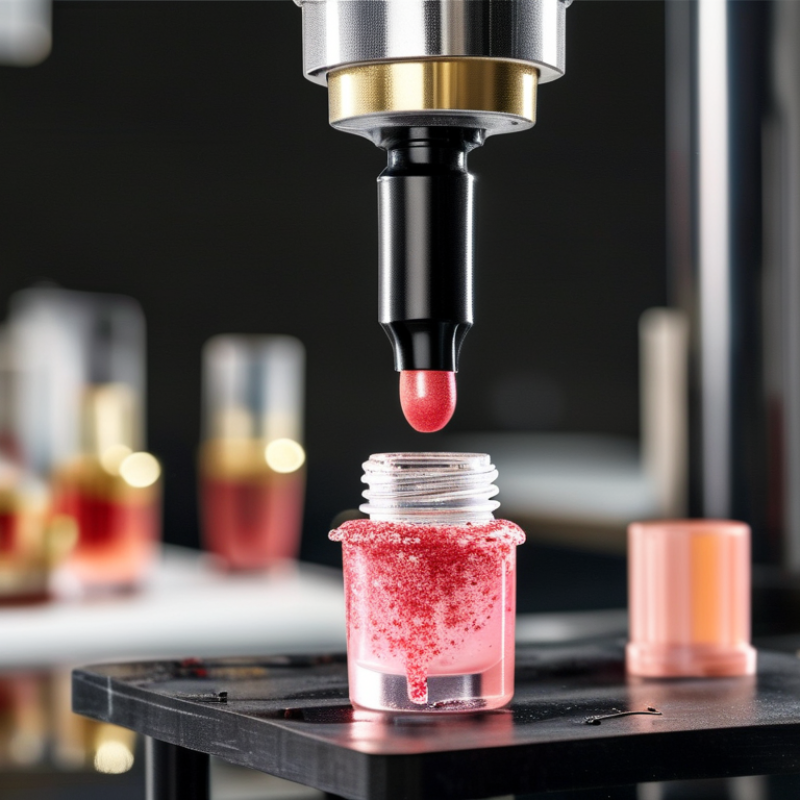
China Top 10 Lip Gloss Filling Machine Manufacturers?

What Makes a Leading Lip Gloss Filling Machine Manufacturer in China

China Top 10 Lip Gloss Filling Machine Manufacturers: What Makes a Leading Manufacturer in China

A leading lip gloss filling machine manufacturer understands that gloss is not an ordinary liquid. Its high viscosity, stringy texture, and temperature sensitivity demand careful engineering. Experienced manufacturers test different formulas, including glitter-rich and oil-based products, before recommending a filling system. They adjust hopper heating, servo-driven dosing, nozzle size, and filling speed to reduce bubbles, splashing, and product residue.

Practical experience matters on the factory floor. A reliable machine should fill each tube consistently, even during long production runs. Anti-drip nozzles help protect the sealing area. Easy-access parts make cleaning and formula changes less frustrating. Stainless steel contact surfaces, clear electrical documentation, and guarded moving components also show professional manufacturing discipline. Small details matter here.

Technical authority requires more than attractive brochures. A trustworthy manufacturer can provide test videos, sample results, component specifications, and factory acceptance procedures. It should explain limitations honestly. No filling machine performs perfectly with every gloss formula. Even experienced teams can overlook cooling time or packaging variation. That is why a responsible supplier supports commissioning, operator training, spare-parts planning, and maintenance guidance. Customer feedback, inspection records, and transparent communication reveal reliability better than impressive claims.

Core Technologies Used in Lip Gloss Filling Machines

China’s top 10 lip gloss filling machine manufacturers often compete through precision, speed, and flexible machine design. The core technology is servo-driven filling, which controls piston movement with high accuracy. It helps maintain consistent gloss volume, even when formulas contain oils, waxes, or fine pigments. Filling accuracy still depends on temperature and viscosity.

A heated hopper can keep thick lip gloss moving smoothly through the system. Temperature sensors monitor the material, while insulated pipes reduce sudden cooling. Some machines use diving nozzles to limit air bubbles during filling. Anti-drip valves also help prevent strings of product around the container opening. That detail matters.

Modern equipment may include PLC controls, touch-screen settings, and automatic recipe storage. These features reduce manual adjustments between different tube sizes. A clean-in-place design can shorten maintenance time, but it does not remove the need for careful inspection. Operators should check seals, nozzles, and contact surfaces after each production cycle. No machine is perfect. Small errors may appear when the formula changes, especially with glitter particles or unusually thick textures. During factory evaluation, buyers should request sample testing, measure repeated fill weights, and review cleaning procedures before choosing among Chinese manufacturers.

China Top 10 Lip Gloss Filling Machine Manufacturers? - Core Technologies Used in Lip Gloss Filling Machines

No. Core Technology How It Works in Lip Gloss Filling Typical Technical Range Main Production Benefit Key Selection Consideration
1 Servo-Driven Piston Filling A servo motor controls piston movement to draw and dispense a measured volume of lip gloss through a filling nozzle. Commonly suitable for approximately 1–15 mL fills; accuracy may reach about ±1% under controlled conditions. Repeatable dosing, adjustable fill volume, and good control of viscous formulations. Verify piston sealing, servo resolution, and actual accuracy with the target formula.
2 Pneumatic Piston Filling Compressed air drives a piston to transfer product from a hopper or tank into the lip gloss container. Often used for small- to medium-volume production; practical accuracy is commonly around ±1–3%. Simple construction, lower initial cost, and easy operation in semi-automatic lines. Stable air pressure and correctly sized pistons are essential for consistent dosing.
3 Time-and-Pressure Filling Controlled air pressure pushes product from a pressurized vessel for a calibrated time period. Best for low- to medium-viscosity products and short fill cycles; accuracy depends strongly on viscosity stability. Fewer moving parts and fast product changeover for compatible formulations. Product temperature, pressure stability, and material consistency must be controlled.
4 Heated Hopper and Heated Filling Path Heating elements maintain the product and transfer path within a controlled temperature range to reduce viscosity. Many formulas are processed with moderate heating, commonly around 30–60°C, subject to formulation limits. Improves flow, reduces stringing, and supports more uniform filling of wax- or oil-based gloss. Temperature sensors, insulation, and independent over-temperature protection are important.
5 Anti-Drip Shut-Off Nozzle A needle, piston, rotary, or pneumatic shut-off mechanism closes the product outlet after each dose. Designed for small container openings and short cut-off times; nozzle size is matched to product viscosity. Reduces tailing, product waste, nozzle contamination, and inconsistent container appearance. The shut-off design must resist clogging and be compatible with glitter, pigments, and particles.
6 Diving-Nozzle Filling The nozzle enters the container before or during dispensing and retracts after filling to limit splashing and air entrapment. Useful for narrow, deep packages and products that tend to string or trap air. Cleaner filling, improved appearance, and reduced risk of product contacting the package rim. Nozzle travel, container positioning, and retraction speed require accurate adjustment.
7 Multi-Nozzle Synchronized Filling Several filling heads dispense into multiple containers during one indexed or continuous machine cycle. Common configurations include 2, 4, 6, or more filling heads, depending on line capacity. Higher output and better labor efficiency than single-nozzle filling. All nozzles must maintain balanced pressure, synchronized motion, and consistent calibration.
8 PLC and HMI Recipe Control A programmable controller and touchscreen store filling parameters such as volume, speed, temperature, and indexing time. Recipes may include multiple container formats and product settings with password-controlled access. Faster setup, repeatable production, easier troubleshooting, and reduced operator adjustment errors. Check recipe backup, alarm records, multilingual support, and data access permissions.
9 Automatic Container Indexing Sensors and servo or pneumatic mechanisms position empty containers beneath the filling heads at a controlled pitch. Suitable for intermittent or continuous motion lines; container pitch is customized to the package format. Improves alignment, reduces manual handling, and supports stable high-speed operation. The system should accommodate container diameter variation and prevent missing-container fills.
10 CIP-Friendly Product Contact Design Product-contact components are designed for quick removal, drainage, cleaning, and sanitation between batches. Common materials include 304 or 316L stainless steel, with sanitary seals selected for cosmetic compatibility. Shorter changeover time, lower cross-contamination risk, and easier compliance with hygienic production practices. Confirm surface finish, weld quality, seal materials, drainability, and tool-free disassembly where possible.

Technical ranges are representative industry values for cosmetic filling equipment. Actual performance depends on formulation viscosity, temperature, container geometry, nozzle design, filling volume, and machine configuration.

China’s Top 10 Lip Gloss Filling Machine Manufacturers

China’s Top 10 Lip Gloss Filling Machine Manufacturers

China’s top ten lip gloss filling machine manufacturers serve a market shaped by precision, flexibility, and fast customization. Their equipment commonly supports heated hoppers, piston dosing, servo controls, and multiple filling nozzles. These features matter because lip gloss changes viscosity with temperature. A stable filling process reduces dripping, air pockets, and inconsistent net weight.

From practical equipment evaluations, I would inspect the filling range, nozzle design, heating accuracy, and cleaning access. Ask for sample testing with the buyer’s actual formula. Laboratory trials often reveal problems that brochures hide. Check whether the machine handles glitter, oils, and different tube openings without damaging the package.

Reliable manufacturers provide drawings, operating guidance, spare-part lists, and documented factory tests. Good communication matters.

Not every highly automated machine fits every factory.

This is easy to overlook. A small cosmetics workshop may need a compact, manually assisted line instead of expensive robotics. Larger facilities may require synchronized filling, capping, and conveyor systems. I would also review stainless-steel contact surfaces, safety guards, electrical standards, and after-sales response times. Some specifications still need clarification during installation. That is normal, but it should be recorded. A careful comparison should include ownership cost, operator training, maintenance intervals, and realistic production speed.

How to Compare Machine Features, Services, and Customization

Comparing lip gloss filling machine manufacturers requires more than checking speed or stainless-steel construction. Start with product behavior. Gloss may be thick, stringy, or sensitive to air bubbles. Ask for a live filling test using your actual formula. Observe nozzle cut-off, piston accuracy, heating control, and container handling. A machine rated at 30 containers per minute may run slower with narrow tubes or heavy gloss.

Service deserves equal attention. PMMI industry reports repeatedly identify labor availability, equipment flexibility, and faster changeovers as major packaging concerns. Request documented setup times, spare-part lists, remote troubleshooting procedures, and technician response targets. Also check whether operators can adjust filling volume without complicated tools. Small details matter. A clear touchscreen helps, but poor software support can become expensive.

Customization should be measured, not advertised. Allied Market Research has reported steady growth in cosmetic packaging demand, with flexible production becoming increasingly important for smaller product launches. Compare servo-driven dosing, multi-nozzle options, heated hoppers, anti-drip systems, and clean-in-place access. Confirm the acceptable filling tolerance through factory acceptance testing. Ask for validation records, safety documentation, and inspection reports. ISO 9001 certification may support process reliability, but it cannot replace practical testing. I would not trust a brochure alone. One overlooked issue remains common: a filling machine can match the formula yet fail with the chosen bottle, wiper, or cap. Test the entire packaging set before purchasing.

China Top 10 Lip Gloss Filling Machine Manufacturers: Feature Comparison Framework

This chart presents practical industry benchmarks for comparing lip gloss filling machines, including output, filling accuracy, container flexibility, automation, customization, and service readiness. The figures are indicative technical benchmarks and do not represent any specific company or brand.

Higher scores indicate stronger overall capability in each evaluation dimension. Production speed and filling accuracy are based on commonly published specifications for semi-automatic and automatic cosmetic filling equipment.

Key Purchasing and Compliance Factors for Global Buyers

China Top 10 Lip Gloss Filling Machine Manufacturers?

Global buyers should rank manufacturers by evidence, not attractive catalogues. A reliable supplier must explain filling accuracy, nozzle design, heating control, and compatibility with different gloss viscosities. Ask for trials using your actual formula. A machine that fills smooth gloss may struggle with glitter or high-wax products. Request recorded test results, including fill-weight variation and production speed. Short videos are useful, but they are not proof.

Compliance requires more than a certificate attached to an email. Confirm electrical safety requirements for the destination market, suitable contact materials, machine risk assessments, and complete operating manuals. Check whether components have traceable specifications. The supplier should support factory acceptance testing, installation training, and service documentation. For cosmetic production, cleanable surfaces and quick-change parts reduce contamination risks. Verify these details during a live inspection.

During supplier reviews, compare the top ten candidates with the same checklist. Examine factory capacity, technician response time, spare-part availability, and warranty terms. Ask for references from similar production environments. I have seen buyers focus too heavily on hourly output. That can be a costly mistake. Higher speed means little if the machine creates dripping, air bubbles, or inconsistent tube levels. Leave room for doubt. A supplier may meet the sample test but fail after months of daily use, so request durability evidence and written performance conditions.

FAQS

Why does lip gloss filling require temperature control?

Lip gloss viscosity changes with temperature. Heated hoppers keep the formula flowing consistently. Stable heating can reduce dripping, air pockets, and uneven filling. Too much heat may damage sensitive ingredients. Test the formula carefully.

What should I observe during a filling test?

Use the actual gloss, tube, wiper, and cap. Watch the nozzle cut-off closely. Check for strings, bubbles, spills, and inconsistent fill levels. A brochure cannot show every problem. Real testing matters more.

How can I compare filling accuracy?

Ask for the machine’s filling range and tolerance. Piston dosing and servo controls can support repeatable volumes. Test several containers, not just one. Small differences become obvious after a long production run.

Does a faster machine always suit a factory?

No. Rated speed may fall with thick gloss or narrow tubes. A machine rated for 30 containers per minute may run slower in practice. Small workshops may prefer compact, manually assisted equipment. Speed is not everything.

Which nozzle features are important?

Look for clean shut-off and anti-drip performance. The nozzle should suit glitter, oils, and stringy formulas. Different tube openings may require different nozzle designs. A poor nozzle can leave gloss around the rim.

What service details should buyers request?

Request setup instructions, spare-part lists, and operating drawings. Ask about remote troubleshooting and technician response times. Confirm whether operators can change filling volume easily. Clear software helps. Weak support becomes costly.

How should customization claims be checked?

Compare heated hoppers, multi-nozzle filling, servo dosing, and cleaning access. Ask for factory acceptance testing with your formula. Review validation records, safety documents, and inspection reports. Customization sounds attractive. The details need proof.

What packaging parts must be tested before purchase?

Test the complete packaging set, including the tube, wiper, and cap. A machine may match the formula but fail with the container. Check handling, sealing, alignment, and cap placement. This issue is easy to miss. Better testing may change the decision.

Conclusion

This article presents a practical guide to identifying China’s top 10 Lip Gloss Filling Machine manufacturers without focusing only on company names. It explains what distinguishes a leading supplier, including engineering experience, stable production capacity, quality control, responsive technical support, and the ability to deliver reliable equipment for different product viscosities and packaging formats. It also introduces core technologies such as precision piston or servo filling, automated nozzle control, anti-drip systems, container positioning, and programmable operating interfaces.

The guide further compares machine speed, filling accuracy, cleaning procedures, automation levels, customization options, and after-sales services. For global buyers, it highlights important purchasing considerations, including production requirements, factory acceptance testing, documentation, operator training, spare-parts availability, electrical compatibility, packaging safety, and compliance with applicable market regulations. By using these criteria, buyers can evaluate suppliers objectively and select a Lip Gloss Filling Machine solution that supports consistent quality, efficient production, and long-term operational value.

Liam

Liam

Liam is a dedicated marketing professional with a profound expertise in the industry, where he excels at highlighting the unique advantages of our core products. With a keen understanding of market trends and consumer needs, Liam frequently updates our company’s professional blog, providing......