Why Choose a Lip Balm Filling Machine for Production?

Time:2026-10-01 Author:Liam
0%

Choosing the right filling equipment can shape the quality, speed, and reliability of lip balm production. A Lip Balm Filling Machine helps manufacturers handle repeated filling tasks with greater control. It can dispense heated balm into tubes, jars, or other approved containers. This matters when the formula changes from liquid to semi-solid during cooling.

In practical production, operators must manage temperature, viscosity, filling volume, and nozzle performance. A stable machine reduces messy spills around the tube opening. It also supports more consistent product weights across a batch. However, equipment alone cannot fix a poorly prepared formula. The heating system, hopper, and filling nozzles still require careful adjustment. Small errors can create air pockets, uneven surfaces, or underfilled containers.

That detail matters.

Experienced teams usually test several settings before full production begins. They check warm-up time, cleaning access, changeover effort, and filling accuracy. These checks provide stronger evidence than attractive specifications alone. A reliable Lip Balm Filling Machine should also support safe operation and practical maintenance. Operators need clear controls, suitable contact materials, and documented cleaning procedures. These features help manufacturers build repeatable processes and protect product quality.

Still, automation is not a perfect answer. A machine may increase output, yet poor training can create new problems. Production managers should compare capacity with real demand, not imagined growth. They should also consider technical support, spare parts, and future formula requirements. With thoughtful evaluation, the machine can become more than a faster filler. It can support a cleaner, more measurable, and more dependable lip balm production system.
Why Choose a Lip Balm Filling Machine for Production?

What Is a Lip Balm Filling Machine?

Why Choose a Lip Balm Filling Machine for Production?

What Is a Lip Balm Filling Machine?

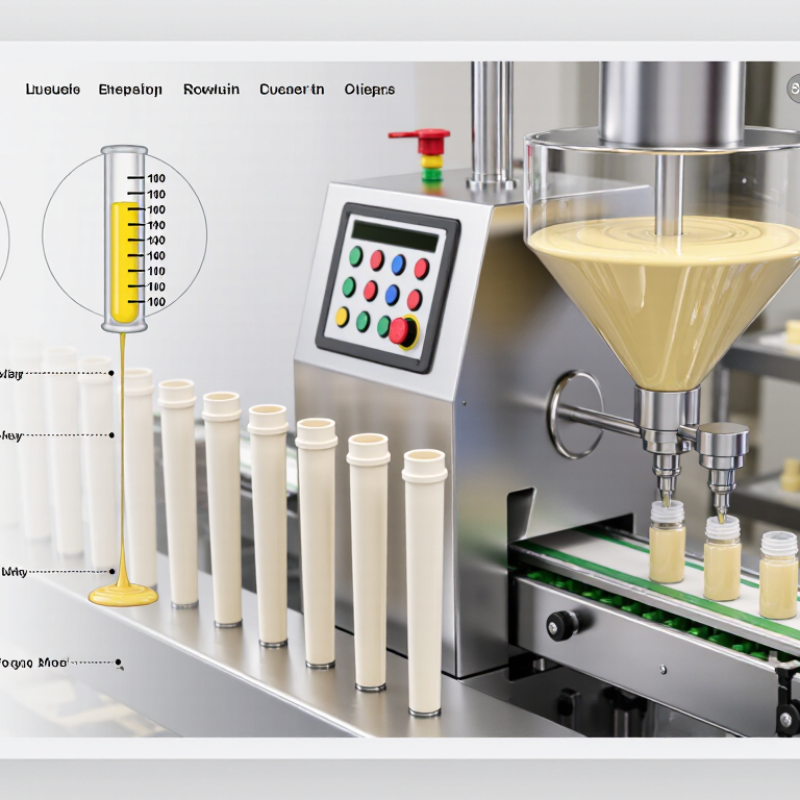
A lip balm filling machine is production equipment that transfers heated balm into containers with controlled volume. It works with formulas containing waxes, oils, and approved cosmetic ingredients. The system usually includes a heated hopper, filling nozzle, pump, and temperature controls.

During operation, the balm stays warm enough to flow without overheating. A nozzle then dispenses measured portions into tubes, jars, or small pots. Accurate filling reduces product waste and keeps each unit visually consistent. That detail matters when customers compare several products on a shelf.

In production practice, operators monitor temperature, filling speed, and nozzle movement closely. A small temperature change can affect viscosity. Thick balm may leave strings. Overheated balm may lose texture or develop unwanted changes. Cleaning is also essential because leftover material can harden inside the pump or nozzle.

The machine is not a magic solution. It still needs trained workers, suitable container testing, and regular calibration. Some formulas require different pumps or heating settings. This is where production experience becomes useful. Operators can adjust the process after checking fill weight, surface appearance, and cooling behavior.

Manual filling may suit very small batches, but it becomes tiring and inconsistent as demand grows. A filling machine offers repeatable dosing and a more organized workflow. However, choosing the wrong capacity can create delays, especially when the machine heats slowly or cannot handle the formula’s viscosity.

How Does the Lip Balm Filling Process Work?

Why Choose a Lip Balm Filling Machine for Production?

How Does the Lip Balm Filling Process Work?

Lip balm production begins with controlled heating. Waxes, oils, and active ingredients melt inside a jacketed mixing vessel. The operator monitors temperature, mixing speed, and texture. Grand View Research reported that the global lip care products market reached about USD 4.3 billion in 2023. It also forecasts steady growth through 2030. That demand makes repeatable filling increasingly important.

After mixing, the warm formula moves through heated pipes to the filling machine. A piston system measures each dose and injects it into tubes, jars, or molded containers. The container must stay aligned. Otherwise, the balm may spill over the rim or leave an uneven surface. Cooling then hardens the product. Capping, labeling, and visual inspection follow. The process sounds simple. It is not always perfectly smooth. Temperature changes can alter viscosity, filling speed, and final appearance. Small adjustments often matter.

Tips: Keep the product temperature stable. Test several fill weights before full production. Clean nozzles between batches. Record every adjustment. A filling machine can improve consistency, but it cannot correct a poorly mixed formula. According to ISO 22716-based cosmetic manufacturing practice, documented controls and hygienic handling remain essential. Operators should also check seal quality and container compatibility. A short trial run may reveal problems that a busy production shift hides.

Why Choose a Lip Balm Filling Machine for Production?

How Does the Lip Balm Filling Process Work?

Typical temperature profile: Lip balm is heated until the waxes and oils are fully melted, blended for uniformity, filled while fluid, and then cooled until the product becomes solid.

A filling machine helps maintain consistent product temperature, accurate dosing, clean container filling, and repeatable production results. Actual settings vary according to the formulation, container design, and cooling system.

Which Production Challenges Can It Solve?

Lip balm production often struggles with viscosity, temperature, and speed. A filling machine addresses these issues through controlled heating and measured dosing. The nozzle can deposit a consistent volume into each tube, even when the formula contains waxes, oils, or botanical powders. This reduces underfilling, overflow, and messy rims.

Small errors become expensive.

The U.S. Food and Drug Administration requires cosmetic manufacturers to ensure product safety and accurate labeling. Consistent filling supports those controls, although it cannot replace testing or good manufacturing practices. PMMI’s 2024 State of the Industry report identifies labor availability and automation as continuing packaging concerns. A filling machine can reduce repetitive manual work and make operator performance less variable. It also records production settings, which helps teams investigate batch differences.

Temperature control matters greatly. If the product cools inside the nozzle, flow may slow and create short fills. If it becomes too hot, texture or fragrance performance may change. Machines with heated tanks, insulated pipes, and adjustable filling cycles can reduce these risks. They may also improve changeover between tube sizes. Not perfectly, though. Poor cleaning routines, unstable formulas, or incorrect calibration can still cause rejects. Smithers’ packaging automation research repeatedly links process control with lower waste and stronger production efficiency. In practice, operators should verify fill weights during each run, rather than trusting the display alone. A warm sample, a digital scale, and a careful eye still matter.

Why Choose a Lip Balm Filling Machine for Production? - Which Production Challenges Can It Solve?
Production Challenge Typical Manual or Small-Batch Condition How a Lip Balm Filling Machine Helps Typical Planning Benchmark Production Benefit
Low and inconsistent output Hand filling and repeated weighing can limit output to approximately 10–20 units per minute, depending on container size and operator skill. Metered piston or gear-pump filling delivers a repeatable volume into multiple containers with controlled indexing. Approximately 20–100 units per minute for semi-automatic to automatic systems. Higher production capacity and more predictable shift planning without relying entirely on manual filling speed.
Uneven fill weights Manual filling may produce visible differences in product level and can require frequent weighing and correction. Adjustable dosing cylinders, servo controls, and repeatable filling strokes improve dose consistency. Common target: approximately ±1–2% filling variation after setup and calibration. Fewer underfilled or overfilled units, better product presentation, and reduced giveaway of bulk material.
Product solidifying during filling Wax-based formulas begin to thicken as temperature falls, causing restricted flow, incomplete fills, or nozzle blockage. Heated hoppers, heated hoses, and temperature-controlled nozzles help maintain the formula within its validated filling range. Many wax-based lip balm formulas are filled around 60–85°C; the correct range must be confirmed by formulation trials. Smoother filling, fewer interruptions, and improved surface appearance after cooling.
Air pockets and incomplete fills Manual pouring can trap air or create gaps, particularly with thick, high-viscosity balm formulas. Controlled piston movement, suitable nozzle design, and optimized filling speed reduce turbulence and air entrapment. Process trials commonly evaluate fill speed, nozzle height, and cooling behavior before production release. More consistent fill surfaces and fewer units requiring visual rework or topping-up.
High labor requirement Operators may need to handle dosing, container positioning, weighing, topping-up, and inspection separately. Automatic indexing and synchronized dosing combine several repeated actions into one controlled process. One operator can often supervise feeding, filling, and basic inspection on a semi-automatic line; staffing depends on automation level. Lower repetitive handling and better allocation of workers to material preparation, quality checks, and packing.
Product and material waste Overfilling, spills, nozzle dripping, and leftover product in transfer paths can increase material loss. Positive shut-off nozzles, adjustable dosing, and shorter controlled product paths help limit excess discharge. Waste reduction must be verified through a before-and-after mass balance for each formula and package. Better use of oils, waxes, pigments, fragrances, and active ingredients, especially in high-value formulations.
Frequent container or SKU changes Changing tube diameters, jar formats, or fill weights may require extensive manual adjustment. Recipe settings, adjustable guides, quick-release parts, and tool-free format adjustments simplify changeover. A well-prepared semi-automatic changeover may take about 15–30 minutes; complex formats can take longer. Reduced downtime when producing multiple scents, colors, sizes, or packaging formats.
Difficulty meeting hygiene requirements Manual contact with product and containers increases handling points and makes cleaning consistency more difficult. Product-contact parts can be designed for disassembly, cleaning, sanitation, and documented inspection. Stainless-steel product-contact components and validated cleaning procedures are common requirements in hygienic production. Improved process control, easier sanitation documentation, and lower risk of contamination from unnecessary handling.
Limited production traceability Manual recording may not consistently capture temperature, batch settings, fill quantity, or operator adjustments. Digital controls and batch-setting records can help document temperature, speed, dose, and production parameters. Typical records include batch number, formula, fill weight, temperature range, equipment settings, and inspection results. Faster investigation of quality deviations and more consistent reproduction of approved batches.
Inconsistent cooling and surface finish Different filling speeds and product temperatures can lead to sink marks, uneven tops, or inconsistent appearance. Repeatable dosing, controlled temperature, and coordinated cooling conditions improve the consistency of filled units. Cooling time varies by formula, container, fill weight, and cooling environment; it should be established during validation. More uniform appearance, fewer cosmetic rejects, and improved readiness for capping and labeling.
Planning note: The figures shown are typical engineering planning ranges for wax-based lip balm filling operations, not guaranteed machine specifications. Actual performance depends on formula viscosity, wax content, fill weight, container design, heating requirements, nozzle configuration, operator training, and factory conditions.
Data basis: Standard production-engineering practices for volumetric filling, hygienic equipment design, thermal processing, line balancing, and batch-quality control. All throughput and accuracy values should be confirmed through a product trial using the final formula and packaging.

What Benefits Does It Offer Manufacturers?

Why Choose a Lip Balm Filling Machine for Production?

What Benefits Does It Offer Manufacturers?

A lip balm filling machine gives manufacturers control where manual filling often becomes inconsistent. A servo-driven piston can dispense measured volumes into tubes, pots, or small jars. This helps keep fill weights close across a batch. Customers notice uneven fill levels quickly. Better control matters.

Temperature matters. Heated hoppers keep waxes and oils moving without excessive reheating. Stable heat can reduce dragging, air pockets, and rough tops. Operators can adjust nozzle height and filling speed for different formulas. These details support repeatable production, not just higher output.

Manufacturers also gain cleaner workflows and clearer records. Enclosed product paths limit dust exposure, while removable contact parts simplify washing and inspection. Digital controls can store filling parameters, making shift changes easier to verify. A practical line may fill hundreds of units per hour, but speed alone is not proof of value. Waste during startup, seal checks, and rejected units still affect costs. Measured trials remain necessary.

Automation has limits.

It cannot correct a formula that separates or cools too quickly. Staff still need training in temperature checks, calibration, and nozzle cleaning. Small adjustments can prevent hours of rework. Yet the process is not flawless; some containers may still need manual inspection. Accessible settings, safety controls, and documented maintenance support a more dependable daily process.

How Can Businesses Choose the Right Machine?

Why Choose a Lip Balm Filling Machine for Production?

How Can Businesses Choose the Right Machine?

Choosing a lip balm filling machine should begin with the product, not the sales brochure. Review the balm’s viscosity, filling temperature, container size, and expected daily output. A formula containing waxes may require stable heating and gentle mixing. Inconsistent temperature can create rough surfaces, air pockets, or uneven weights.

Production trials matter. Test several batches using your actual formula and packaging. Check filling accuracy, nozzle performance, cleaning time, and changeover steps. A machine with impressive speed may still waste material during setup. Consider adjustable filling volume, temperature controls, heated hoppers, and accessible product-contact parts. Operators should understand the controls without complicated instructions. Safety guards and clear maintenance procedures also support reliable operation.

Tips: Request a sample test before purchase. Measure every filled unit, not only the first one. Ask about spare parts, technical training, warranty coverage, and service response times. Confirm that the machine fits your workspace, power supply, and future production plans. A compact model may suit a small workshop, while larger operations need automation and multiple filling heads. Do not ignore cleaning. Residual balm can harden inside narrow passages and slow the next production run. My own preference would be practical accuracy over maximum speed, although that choice may need reconsideration when demand changes quickly.

FAQS

What is a lip balm filling machine?

It transfers heated balm into tubes, jars, or small pots with controlled volumes. The system usually includes a heated hopper, pump, nozzle, and temperature controls.

How does the machine keep balm flowing?

The hopper maintains a suitable temperature for waxes and oils. The balm stays fluid without excessive reheating. Temperature changes can still affect its texture.

What production benefits does it provide?

It improves dosing consistency, reduces material waste, and creates more even fill levels. Customers can notice small differences on a retail shelf.

Can it handle different balm formulas?

Many machines handle formulas with waxes, oils, and approved cosmetic ingredients. Different viscosities may require separate pumps, temperatures, or filling speeds.

Does automation remove the need for workers?

No. Operators must monitor temperature, fill weight, nozzle movement, and cleaning. Machines need people.

What should businesses test before buying?

Test the actual formula and containers in several trial batches. Check accuracy, nozzle performance, cleaning time, and changeover steps.

Why is cleaning especially important?

Leftover balm can harden inside pumps and narrow nozzles. This may restrict flow and delay the next production run. Cleaning feels boring, but it prevents trouble.

Is the fastest machine always the best choice?

Not necessarily. Startup waste, rejected units, and slow heating can reduce real efficiency. Practical accuracy may matter more than maximum speed.

Which features are useful for daily production?

Adjustable filling volume, stable temperature controls, heated hoppers, removable contact parts, and clear safety guards are useful. Simple controls help operators respond quickly.

How should a business match machine capacity to demand?

Compare container size, viscosity, workspace, power supply, and expected daily output. A compact machine may suit small batches, while larger operations may need multiple filling heads.

Conclusion

A Lip Balm Filling Machine is specialized equipment designed to heat, mix, and accurately dispense lip balm into tubes, jars, or other containers. During the filling process, the balm is first melted and blended to achieve a consistent texture. It is then transferred through a controlled filling system, deposited into containers at a precise volume, and cooled before sealing and labeling. This streamlined workflow helps maintain product consistency while reducing manual handling.

For manufacturers, a Lip Balm Filling Machine can solve common challenges such as uneven filling, material waste, slow production, and inconsistent quality. It can improve efficiency, support higher output, and create a cleaner, more organized production environment. When choosing a machine, businesses should consider product characteristics, container size and shape, filling capacity, temperature control, cleaning requirements, automation level, and future production needs. A suitable machine should provide reliable performance, easy operation, and flexibility for changing product demands.

Liam

Liam

Liam is a dedicated marketing professional with a profound expertise in the industry, where he excels at highlighting the unique advantages of our core products. With a keen understanding of market trends and consumer needs, Liam frequently updates our company’s professional blog, providing......