Why Choose a Lip Gloss Machine for Your Business?

Time:2026-09-26 Author:Sophia
0%

The beauty market is expanding, but customer expectations are becoming more exacting. McKinsey’s The State of Fashion: Beauty report projects the global beauty industry could approach $580 billion by 2027. It also highlights strong demand for innovation, personalization, and convenient products. These trends create a practical opportunity for brands selling lip gloss.

A Lip Gloss Machine can support that opportunity with controlled heating, mixing, and filling. It helps maintain a consistent texture across every tube. That matters when customers expect the same shine, color, and application each time. A stable production process can also reduce manual handling, material waste, and avoidable batch variation. Small details count. A clean filling nozzle can protect the product’s appearance.

The machine may also help businesses test seasonal colors, private-label formulas, and smaller product runs. This flexibility is valuable when social media trends change quickly. However, equipment is not an automatic business solution. Poor formulation, weak quality checks, or inaccurate filling can still damage customer trust. That point deserves attention.

According to ISO 22716 guidance, cosmetic manufacturing should include controlled production, hygiene, documentation, and quality procedures. Businesses should match their equipment with these practices and confirm applicable local requirements. A professional supplier should provide operating instructions, maintenance support, and clear technical specifications. These details demonstrate reliability beyond a sales promise.

Choosing a Lip Gloss Machine is therefore a decision about consistency, capacity, and long-term control. The right system can turn a crowded workbench into a more repeatable production line. It should fit the formula, budget, staff skills, and realistic growth plan. Growth sounds attractive. Sustainable growth requires evidence.
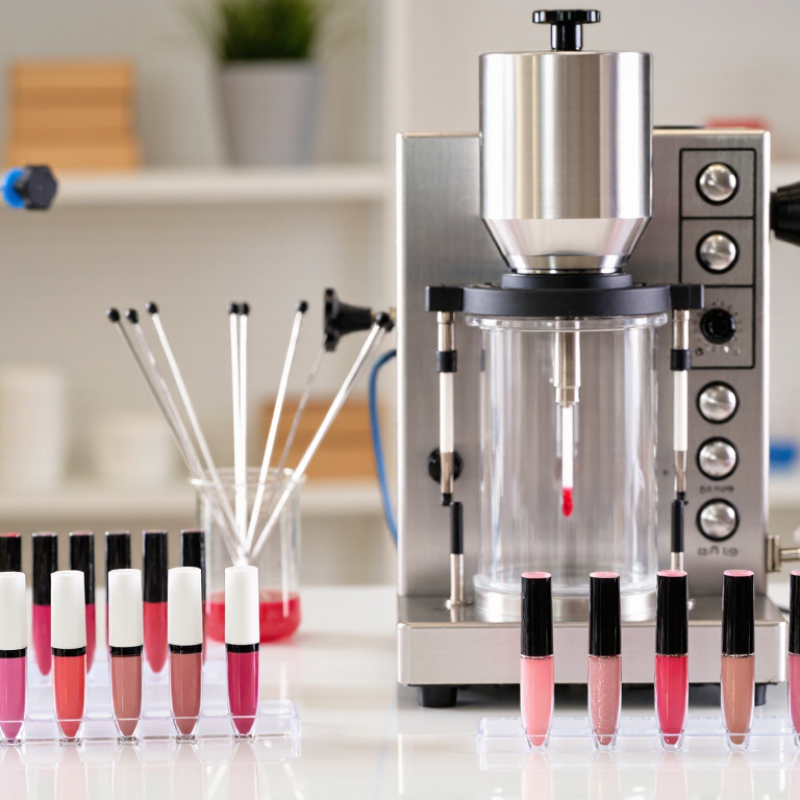
Why Choose a Lip Gloss Machine for Your Business?

What Is a Lip Gloss Machine?

A lip gloss machine is production equipment that prepares, fills, and sometimes caps gloss in controlled batches. It may combine a heated mixing tank, vacuum system, piston filler, and container conveyor. The machine helps maintain a consistent texture while reducing manual handling. For a small workshop, a semi-automatic model may fill tubes one by one. Larger operations often use automated lines with sensors and programmable settings.

According to Grand View Research, the global lip care products market was valued at about USD 4.47 billion in 2023. The report projects a 5.9% compound annual growth rate from 2024 to 2030. This growth creates pressure for faster, repeatable production. Yet speed is not the whole answer. Gloss viscosity changes with temperature, oils, waxes, and pigments. A reliable machine needs accurate heating control and adjustable filling pressure. Operators should also record batch numbers, cleaning steps, and calibration results.

In practical use, a good setup can reduce spills around the filling table. It can also produce cleaner tube openings and more uniform weights. Small details matter. A crooked cap still looks unprofessional. According to Fortune Business Insights, the global cosmetics packaging market is expected to continue expanding through the decade, supporting demand for efficient filling equipment. However, buying the largest machine may be a mistake. I would test viscosity, batch size, cleaning time, and operator skill before choosing capacity. Manual inspection remains necessary, because machines can repeat errors very efficiently.

How Does a Lip Gloss Machine Work?

A lip gloss machine turns a prepared formula into evenly filled, ready-to-finish tubes. The process usually begins with measured ingredients placed in a heated vessel. Gentle heat softens waxes and thick oils, while an agitator blends them with pigments and other approved components. Temperature matters: too much heat can affect texture, while too little may leave the mixture difficult to dispense. Not every machine heats or mixes in the same way, so operators should follow its specifications.

Once the gloss reaches a consistent flow, a pump or piston sends measured portions through a nozzle into waiting containers. The nozzle height and fill volume need adjustment for each tube style. Small changes can leave messy rims or uneven fills. Then the product cools, and caps or applicators are fitted, either by hand or with additional equipment. A quick visual check helps catch bubbles, leaks, and inconsistent levels. Clean contact surfaces between batches. It sounds simple, but setup can take longer than expected. Keeping records of temperatures, batch quantities, and rejected units makes troubleshooting more reliable; even experienced operators may need to refine a setting after changing a formula.

What Business Benefits Can It Provide?

A lip gloss machine can make daily production more predictable, especially when orders shift from dozens to several hundred tubes. Controlled filling helps each tube receive a similar amount, reducing messy caps and product left on the worktable. Operators can prepare empty containers, monitor the fill, and package finished units without repeating every step by hand. That matters during busy periods. Less rework. A steady filling routine also helps staff estimate output and plan packing time more realistically.

The financial benefit is not automatic. A machine brings purchase, setup, cleaning, and training costs; a small shop may not use its full capacity daily. Before choosing one, compare its filling range with your tube sizes and gloss textures, then test a small batch. Record how long filling takes and how much product remains in the nozzle or container. Those details can reveal whether the equipment genuinely reduces waste and labor. Changeovers may take longer than expected. Still, as production grows, reliable dosing and repeatable workflows can free skilled staff for quality checks, inventory, and customer orders.

Why Choose a Lip Gloss Machine for Your Business?

This planning scenario shows how filling automation can reduce direct labor costs as batch size increases. The model assumes a labor cost of $20 per hour, two operators for manual filling, one operator for machine-assisted filling, manual output of 125 units per operator-hour, and machine-assisted output of 500 units per hour. Actual results depend on equipment speed, product viscosity, packaging design, and production workflow.

Which Features Matter Most for Production?

A lip gloss machine should match the texture and daily output of your product. Thick formulas may need gentle heating and steady mixing to move evenly through the filling system. Look for adjustable temperature controls, a reliable agitator, and nozzles that handle different viscosities. Small differences show. Uneven filling can leave tubes with inconsistent levels or trapped air, so ask about dosing accuracy and test several fills using your own formula.

Production speed matters, but only when the machine stays consistent. Check its real operating capacity, not just the advertised maximum. A foot pedal or automated filling cycle can help operators maintain a steady pace. Quick adjustments for tube size and fill volume also reduce changeover time. Watch the nozzle during a trial run. Dripping or stringing may create extra cleanup and wasted product.

Cleaning access deserves equal attention. Removable product-contact parts and smooth surfaces make routine sanitation easier between batches. Confirm that seals and hoses suit the formula’s oils and ingredients. Ask how long temperature recovery takes after refilling the hopper; delays can interrupt a shift. A polished demo can be misleading. Test with your actual packaging, because a narrow tube opening may behave differently than a sample container. Some trade-offs remain: greater output can mean more setup and maintenance.

How Can You Choose the Right Machine for Your Business?

Choosing the right lip gloss machine starts with the product, not the machine’s advertised speed. Compare the gloss’s thickness, particle content, and sensitivity to air with the equipment’s filling method. A small sample run can reveal dripping, trapped bubbles, or uneven fill levels. Watch the nozzle closely. A clean-looking brochure cannot show how your formula behaves.

Match capacity to realistic demand. Estimate daily output, changeover frequency, and the time needed to clean product-contact parts. A machine that fills quickly may still slow production if adjustments take too long. Check whether its settings support your container sizes and target fill volumes. Ask for a demonstration using a similar formula and packaging, then record setup time, waste, and fill consistency. Small differences matter.

Consider operator training, spare-part access, maintenance instructions, and the space available around the machine. Confirm electrical and air requirements before installation. Fit matters. Ask how frequently seals and nozzles need inspection, and whether routine cleaning requires special tools. A lower purchase price can be misleading if changeovers are difficult or support is limited. Still, not every business needs automation at the highest output level; extra capacity can sit unused. Compare the machine’s documented performance with your actual workflow, and leave room for a cautious trial before committing to full production.

FAQS

How does a lip gloss filling machine work?

Ingredients are measured into a heated vessel. Gentle heat softens waxes and thick oils, while an agitator blends the mixture. A pump or piston sends measured portions through a nozzle into tubes. Small differences show.

Why does temperature matter during production?

Too much heat can affect texture. Too little may make the gloss hard to dispense. Follow the machine’s specifications, since heating methods can vary. A setting that worked yesterday may need adjustment after a formula change.

How can operators reduce messy or uneven fills?

Adjust the nozzle height and fill volume for each tube style. Watch for bubbles, leaks, dripping, and product on the rim. Test several fills with the actual packaging. A narrow opening can behave differently than a sample container.

What should happen after the tubes are filled?

Let the gloss cool, then fit caps or applicators by hand or with extra equipment. Check fill levels and look for leaks. Clean product-contact surfaces between batches. Simple steps, easily rushed.

Can a machine make production more predictable?

Controlled dosing can give tubes similar fill amounts and reduce product left on the worktable. A steady routine also helps staff estimate output and packing time. Less rework. It will not fix every production delay.

Is a filling machine worthwhile for a small shop?

Not always. Purchase, setup, cleaning, and training all add costs. Compare the machine’s filling range with your tube sizes and gloss textures. Test a small batch, then record filling time and leftover product before deciding.

Which features should operators check before choosing a machine?

Match the machine to the formula’s thickness and expected daily output. Adjustable temperature, steady mixing, suitable nozzles, and accurate dosing can matter. Check real operating capacity, not only the advertised maximum. A polished demonstration can be misleading.

How can changeovers and cleaning affect a work shift?

Quick adjustments for tube size and fill volume may reduce changeover time. Removable contact parts and smooth surfaces can make cleaning easier. Check that seals and hoses suit the formula’s oils. Temperature recovery may also cause delays after refilling. Trade-offs remain.

Conclusion

A Lip Gloss Machine is a specialized piece of equipment designed to simplify and improve the production of lip gloss products. It can support key processes such as heating, mixing, filling, and sealing, helping businesses create consistent formulas and package products more efficiently. By reducing repetitive manual work, the machine can save time, minimize material waste, and improve production accuracy while supporting a cleaner and more organized workflow.

When choosing a Lip Gloss Machine, businesses should consider production capacity, filling precision, temperature control, mixing performance, ease of operation, cleaning requirements, and compatibility with different container sizes and product formulas. The right machine should match the company’s current output needs while allowing room for future growth. A practical evaluation of budget, workspace, maintenance support, and operating requirements can help ensure the equipment delivers reliable performance and long-term business value.

Sophia

Sophia

Sophia is a dedicated marketing professional with an exceptional depth of knowledge about her company's products and services. With a keen understanding of market trends and customer needs, she crafts insightful blog posts that not only inform but also engage readers, enriching the company’s online......